
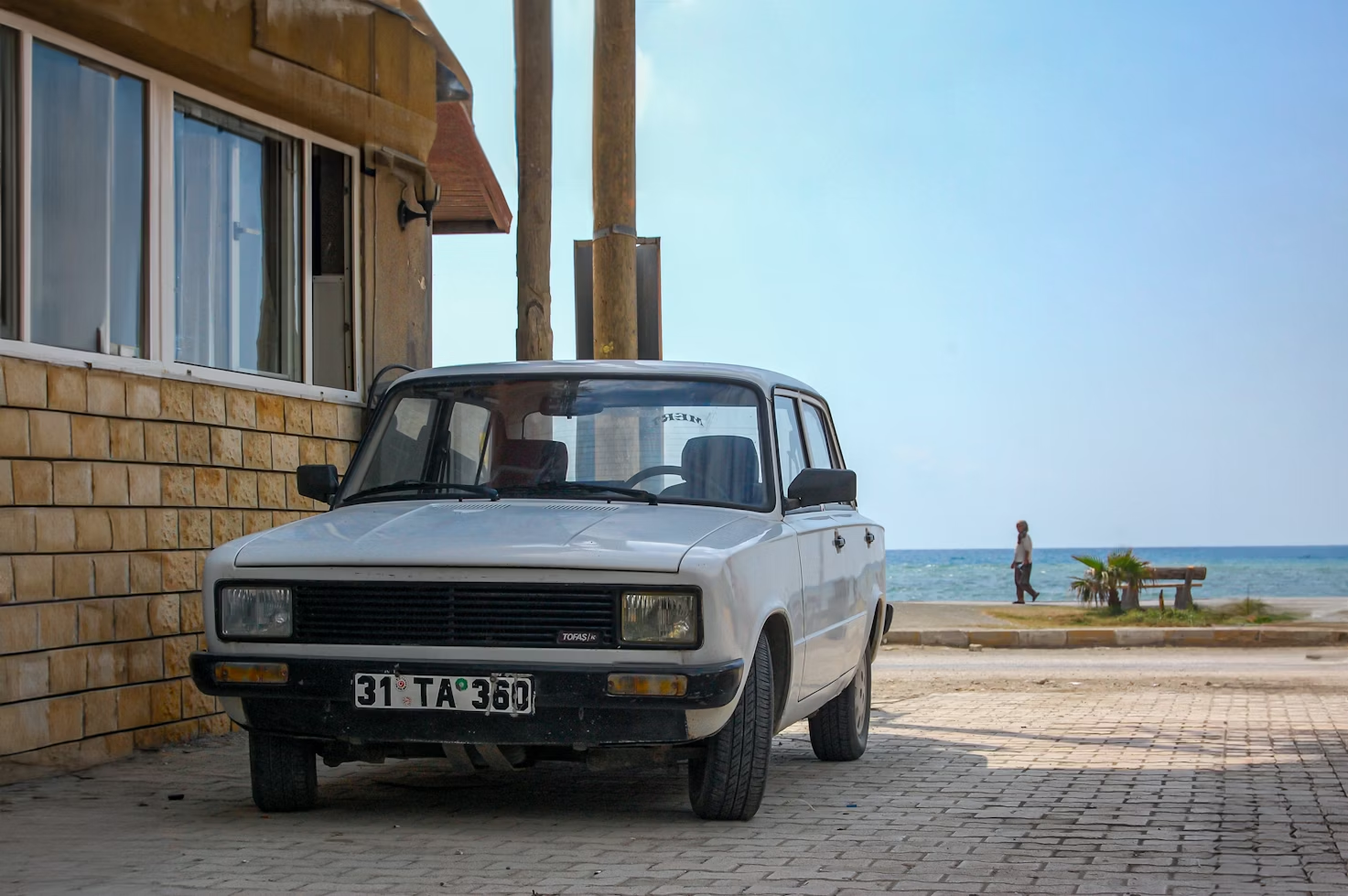
Traveling through Turkey offers an incredible opportunity to explore its diverse landscapes—from the turquoise coastlines of Antalya to the rugged mountains of Eastern Anatolia. Renting a car in Turkey can give you the freedom and flexibility to uncover hidden gems at your own pace.
However, to make the most of your driving experience, you must understand the local rules, rental processes, and road conditions. This guide provides a comprehensive overview of what you need to know before you go.
Eligibility and Documentation Requirements

Before renting a car in Turkey, ensure you meet the minimum eligibility criteria. Most rental companies require drivers to be at least 21 years old, though the age can increase for premium vehicles. Additionally, you must have held your driver’s license for at least one year.
Documents You’ll Need:
- A valid driver’s license: Make sure your license is up to date and suitable for the country you’ll be driving in. If your license is not in Latin script, it’s highly recommended to carry an International Driving Permit (IDP) for easier identification.
- A valid passport: Your passport should be valid for the duration of your trip, and many countries require an additional six months of validity beyond your travel dates.
- A credit card in the driver’s name: Rental companies often require this as payment and a security deposit. Ensure the card has sufficient credit and matches the name on your license.
- Rental confirmation and insurance documents: Keep copies of the confirmation email or contract provided by the rental company, along with any insurance paperwork. These documents will be crucial if any questions or issues arise during your rental period.
It’s a good idea to make copies of all these documents and store them in a separate location, such as in your luggage or digitally on a secure cloud platform, in case of loss or emergencies.
Choosing the Right Rental Car and Company
Turkey offers a wide selection of rental companies, from global brands like Avis and Hertz to reliable local providers. Compare prices online using aggregators and read customer reviews before booking.
Factors to Consider:
- Size & Terrain: When choosing a rental car, think about where you’ll be driving. A compact car is perfect for navigating busy city streets and tight parking spaces. However, if you’re planning to explore mountainous areas, rural roads, or uneven terrain, a 4×4 or SUV might be a better option for safety and comfort. Larger vehicles can also be more suitable if you’re traveling with family or carrying extra luggage.
- Transmission Type: In Turkey, manual transmission cars are more common and often cheaper to rent. If you prefer an automatic, they are available, but it’s a good idea to request one well in advance to ensure availability, especially during peak travel seasons.
- Fuel Policy & Mileage: Always check the car rental company’s fuel policy. Many rentals come with a full tank, and you’ll be expected to return it full to avoid extra charges. Additionally, find out if there are any mileage restrictions, as exceeding the limit could result in additional fees. Unlimited mileage options might be worth considering if you’re planning long road trips.
- Navigation & Connectivity: Driving in less signposted or rural areas of Turkey can be challenging, so consider adding a GPS or ensuring your mobile device has reliable data access for navigation.
It can save you time and reduce stress, especially if you’re venturing away from main roads or highways.
Understanding Turkish Driving Laws and Road Culture
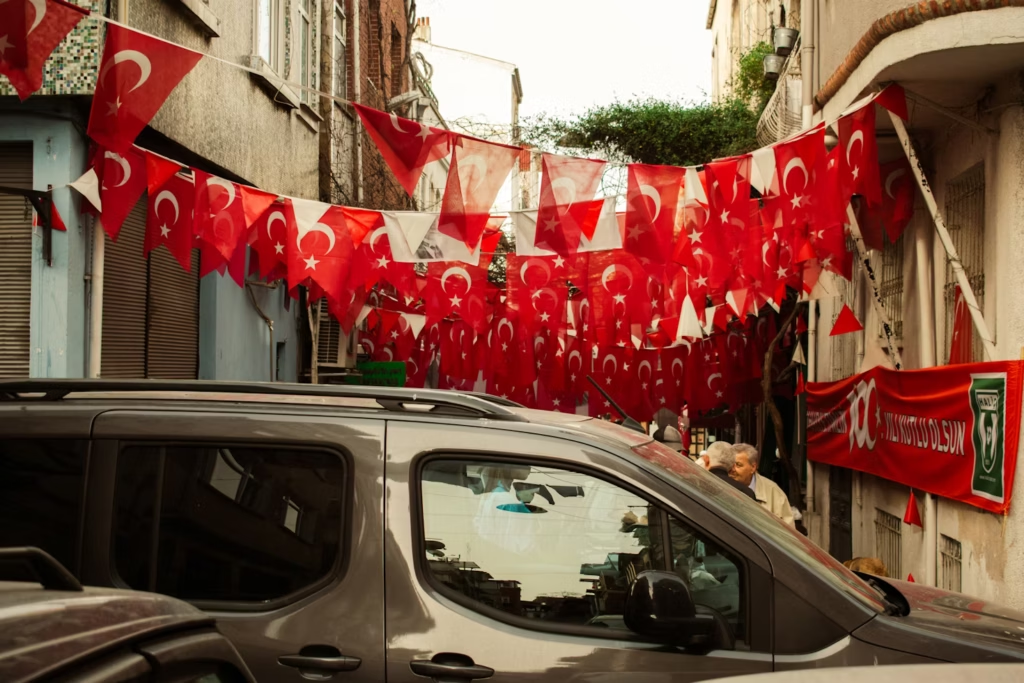
Driving in Turkey can be straightforward, but it helps to familiarize yourself with the local road rules and driving habits. Traffic moves on the right-hand side, and seat belts are mandatory for all passengers.
Important Laws and Tips:
- Speed Limits: Speed limits in Turkey vary depending on the type of road. The maximum speed is typically 50 km/h in cities and urban areas, 90 km/h on rural roads, and 120 km/h on highways. Be aware that speed cameras and police checkpoints are common, so adhere to the limits at all times to avoid fines.
- Alcohol Limit: Turkey enforces strict alcohol limits for drivers. Commercial drivers must adhere to a zero-tolerance policy, meaning no alcohol can be consumed at all before driving. For private drivers, the legal blood alcohol content limit is 0.05%. Driving under the influence can lead to heavy penalties, including fines, license suspension, and even legal action.
- Toll Roads: Many major highways in Turkey, known as Otoyol, require an electronic toll pass called an HGS (Hızlı Geçiş Sistemi). These tolls are not paid in cash, so ensure your rental car is equipped with a valid HGS sticker or device. Failure to pay tolls properly can result in additional fees or fines charged by the car rental company.
Be prepared for assertive driving styles in cities, but road conditions generally improve on main highways.
Insurance and Emergency Preparedness
Always check what kind of insurance coverage is included with your rental. Many rental companies include basic insurance as part of the package, but this often comes with high deductibles and limited protection. If you want peace of mind, consider upgrading to full coverage, which can save you from hefty fees in case of damage, theft, or accidents.
It’s also wise to familiarize yourself with the emergency numbers in Turkey before hitting the road. Here are the key ones to remember:
- Police: 155 (for law enforcement and safety-related issues)
- Ambulance: 112 (for medical emergencies)
- Fire: 110 (for fire-related emergencies)
Most rental cars in Turkey come equipped with emergency kits, including items like a first-aid kit, warning triangle, and spare tire. However, it’s a good idea to double-check that everything is present and in good condition before you drive off, as being prepared can make all the difference in an emergency.
Navigating Cities vs. the Countryside
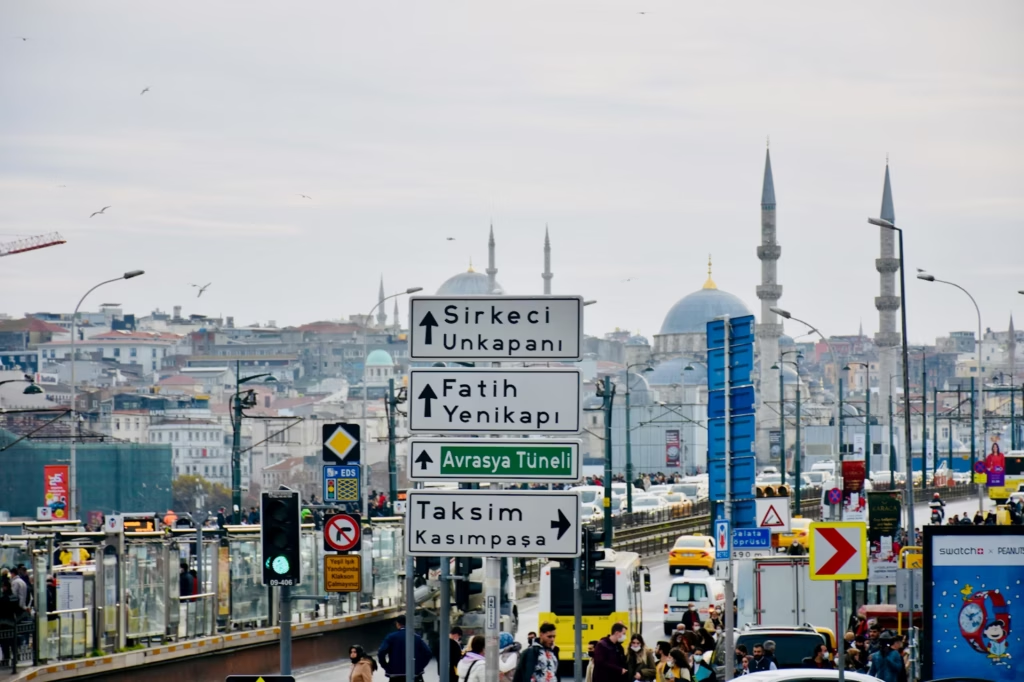
Turkey’s urban centers, like Istanbul and Izmir, are bustling with traffic and limited parking options, making driving more stressful. On the other hand, rural areas offer scenic routes and quieter roads, ideal for leisurely exploration.
City Driving Tips:
- Avoid rush hours (8–10 AM and 5–7 PM) to save time and reduce stress from heavy traffic congestion. Plan your trips outside these hours whenever possible.
- Use paid parking lots to avoid fines or towing. While they may cost a bit more, they’re often safer and more convenient than searching for street parking.
Countryside Travel Tips:
- Keep an eye on fuel levels; gas stations can be sparse in remote areas, and running out of fuel could leave you stranded far from help. Always fill up when you see a station, even if your tank isn’t empty.
- Use offline maps or GPS since mobile signals may be weak in rural areas. Download maps in advance or carry a physical map as a backup to ensure you don’t lose your way.
Plan your route and try to time long drives to avoid driving at night, especially on unfamiliar roads.
Final Thoughts
Renting a car in Turkey can significantly enhance your travel experience, offering a unique way to see the country beyond the standard tourist trail. From Cappadocia’s fairy chimneys to the beaches of Bodrum, having your vehicle gives you unmatched access to Turkey’s diverse beauty.
By understanding the local regulations, choosing the right car, and preparing for the road ahead, you’ll ensure a safe, enjoyable, and unforgettable road trip through one of the world’s most culturally rich destinations.





30 Responses
hey, so if i wanna rent a car do i rlly need to be 21? im turning 21 in like 3 months but i got my license already a year ago. can i still rent ??? wanna see those fairy chimneys lol
Tommy, most places are strict but try calling them, sometimes they lenient if you close to 21 lol
Mikel, you mentioned insurance but didn’t go deep. I think it’s crucial to know rental companies sometimes undervalue the importance of coverage. Don’t you think consumers deserve a clearer warning?
yo, driving in cities sounds like a nightmare. i’m all for the countryside riding, but are those roads safe for bikes or what? anyone tried?
Great insights, Mikel! Knowing about the traffic and parking ahead of time makes planning so much easier. Thanks for the heads up!
insurance coverages are a scam most times. why even bother upgrading when they gonna find an excuse not to pay out?
imagine renting a spaceship instead of a car in Turkey. Now, that would make navigating cities vs countryside a breeze lol.
Totally agree on the value of renting a car for the freedom it gives you in exploring! Anything special about the local rental companies that makes them stand out from the usual global ones?
uh, everybody knows the best way to see turkey is not by car but by hot air balloon. cars are too mainstream. everyone does that.
if i rent a car can i drive on the left just to fit in with my britishness lol kidding… or am i? 😉
As a fellow Brit, I say stick to the right or you’ll give us a bad rep haha!
love the idea of exploring rural areas over cities. less pollution and traffic. anyone know if hybrid or electric rentals are available there?